Regenerative Treatment for Knee Joint Conditions
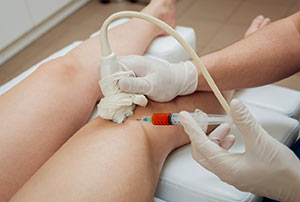
Knee pain is one of the most common musculoskeletal complaints and may be caused by arthritis, ligament injuries, tendon damage, or chronic inflammation.
At Arthritis Care & Research Center, PRP therapy may be considered as a regenerative treatment option for certain patients experiencing knee pain.
How PRP May Help Knee Pain
PRP therapy uses concentrated platelets from the patient’s own blood. Platelets contain growth factors that may help support the body’s natural healing processes.
When injected into the knee joint, PRP may help:
- Support tissue repair
- Reduce inflammation
- Improve joint function in some patients
PRP therapy may be considered for patients who continue to experience knee pain despite conservative treatments.
Conditions Associated with Knee Pain
PRP therapy may be considered for:
- Knee osteoarthritis
- Chronic knee pain
- Tendon injuries around the knee
- Ligament injuries
- Sports-related knee injuries
What to Expect During the Procedure
The PRP procedure generally includes:
- Drawing a small blood sample
- Processing the blood to isolate platelets
- Injecting platelet-rich plasma into the knee joint
The entire procedure is typically performed in the clinic.
Schedule a Knee Pain Consultation
If you are experiencing persistent knee pain or limited mobility, our specialists can evaluate your condition and discuss treatment options.